
 Log Out

The ultimate guide to garden fencing in the UK (2026 edition)
Given fencing is such a prominent feature in most gardens, it's worth investing in a style and material that’s attractive and practical. The right garden fencing will not only improve security and protect your privacy but also improve the overall look and feel of your house and garden.

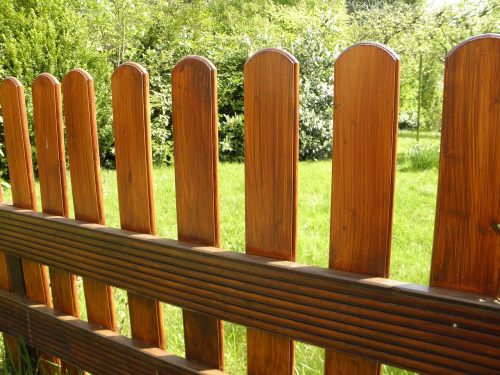
This ultimate guide to garden fencing UK will help you understand the different types of fencing available so you can choose the best option for your garden.
Contents:
- Before you begin your fencing project
- Choosing the right type of fencing
- Garden fencing trends for 2026
- How much does it cost to install a garden fence?
- Can you install garden fencing yourself?
- Maintenance tips for a long-lasting garden fence
- Garden fencing FAQs
Before you begin your fencing project
Before you go ahead and start making plans for your shiny new fence, there are several important things to check:
Who owns the fence or boundary?
If you're not 100% sure who owns the fence or boundary in question, this is the first thing to find out.
Dig out your property deeds and check if the boundary is marked with a "T" – if it is, this means it's your boundary, and you’re responsible for maintaining it.
Understand your legal responsibilities
The type of fencing you choose can impact the look and feel of the area and neighbouring houses and gardens, so there are a couple of rules you need to follow, including:
Height limits: In the UK, the limit for front garden fences bordering a road is usually one metre, while fencing around back gardens can be up to two metres tall.
Planning permission: You don't usually need to get planning permission to install a new garden fence, unless:
- You want a fence that exceeds the height limits
- Your home is a listed building or is within a conservation area
- Your fence sits along a public highway
Perform a site assessment
Even if your garden is very small, assessing the site carefully will help you to choose the right type of fencing for the job.
First, take precise measurements. Work out the total length of fencing required and make a note of any sections that will need custom sizes.
While you're measuring, look out for any areas where the ground slopes or is particularly uneven.
You should also consider if any parts of your garden are particularly overlooked and how high the fence would need to be to provide privacy.
Approach your neighbour
If you or the builder you hire will need access to your neighbour's garden to install the fencing, then you’ll need to gain their consent first.
Even if you don't need access, it’s good etiquette to let your neighbour know about any work you're having done; a quick conversation can help prevent misunderstandings or conflict.
Choosing the right type of fencing for your project
Don't overlook how important it is to choose the right type of fencing for your garden.
So many people simply replace their fences like-for-like, without considering the other options available and weighing up their benefits.
What to consider when shopping for fencing
Practical and stylistic factors to consider when choosing garden fencing UK include:
- The main purpose of the fence (privacy, security, decoration, etc.)
- How exposed it will be to the elements
- Expected lifespan
- Level of maintenance required
- Sustainability
- Your budget
- Your garden's design
Most common types of fencing in the UK
With so many different styles of fencing available, how do you know which is right for your garden?
Here's a quick overview of the most popular options and what types of garden they're best suited to:
- Closeboard fencing: A traditional type of fence built from vertical boards. Closeboard fencing is strong, durable, and built to last, making it suitable for a wide range of environments.
- Overlap fencing: A common type of fencing made from overlapping horizontal boards. It's simple to install and budget-friendly, but less robust than closeboard fencing.
- Decorative panels: Slatted and lattice screening panels add style and visual interest to a garden. They tend to cost more than your standard fence panels and are popularly used for zoning in modern and design-led gardens.
- Picket fencing: A charming, low, decorative fence that is often used in front gardens.
- Composite fencing: Made from recycled wood fibres and plastic, composite fencing offers excellent longevity and very little maintenance. It has a higher initial cost, but its durability makes it worth the investment.
Eco-friendly fencing options
If you're looking for fencing that is environmentally responsible, there are several sustainable fencing options available that can help you reduce your carbon footprint.
- Hedge or "living barrier": Growing a hedge that's high enough to offer privacy takes time and patience, but if you're willing to wait, a hedge can be aesthetically pleasing and help to support wildlife
- Recycled composite panels: Long-lasting composite fence panels made from repurposed plastics
- FSC-certified timber: Fences made from timber that has been sourced from a sustainable forest
Fence materials
As well as choosing the right type and style of fence, it's also important to consider which materials are most suitable.
A strong and durable fence consists of more than just fence panels or timber boards. You also need to decide whether to use concrete posts, timber posts, or gravel boards to install your fence securely.
Timber options
- Pressure-treated timber: More durable and rot-resistant
- Dipped timber: Low cost but needs regular maintenance
- Softwood: Most common and affordable
- Hardwood: Costs more but is very hard-wearing
Post options
Fence posts help to anchor your fences and keep them standing upright. Your posts should be set deep into the ground to ensure stability. Without proper anchorage, fences will begin to lean or even fall over in heavy winds.
- Concrete: Very long-lasting
- Timber: More natural look, but requires regular maintenance
- Composite: Low maintenance and weather-resistant
- Gravel boards: Protect fences from ground moisture to prolong their life
Decorative extras
While not essential, decorative features can turn a simple fence into a standout feature in your garden. Think about what extras you might add to your fence to complement your garden design, add visual appeal, and create a more enjoyable outdoor space.
- Trellis panels for climbing plants
- Fence topper for added height
- Outdoor lighting
- Planters
- Decorative screens
- Paint or wood stain
Garden fencing trends for 2026 and beyond
Although choosing fencing that’s "on-trend" may not be your top priority, having an idea of what's popular at the moment can introduce you to new materials and designs you may not have considered otherwise.
It can also help you to choose fencing that adds long-term value, style, and appeal to your property.
In 2026, we expect to see more people opting for environment-friendly fencing options that offer long-term durability.
Some of the key trends emerging in the fencing market include:
- Horizontal slatted wooden fencing: A modern style with a clean, architectural loo
- Darker wood stains: Charcoal, dark green, and even black are overtaking lighter stains
- Composite fencing: Offers low maintenance and long lifespan, even in the face of more extreme weather conditions
- Eco-friendly fencing: Sustainable options like living fences, recycled composite panels, and FSC-certified timber fences are all in high demand
- Wildlife-friendly fences: More people are considering how their fencing options impact local wildlife. Vertical gardening, living fences, and fences with gaps for hedgehogs are all on the rise
How much does it cost to install a garden fence?
The cost of installing a garden fence can vary dramatically, depending on the length of the boundary and the type of fencing you choose.
When working out how much your new fence will cost, remember that unless you plan to install the fence yourself, you'll need to budget for labour as well as materials.
Materials
- Fence panels
- Posts
- Gravel boards
- Fixings
- Stain or paint
- Decorative extras
Your fence panels are likely to be your biggest expense.
These can cost anywhere between £20 per panel for basic overlap panels to £150 per panel for long-lasting composite panels.
Labour
Hiring a builder to install a fence can cost anywhere between £170 and £300 a day, or £60 to £120 per metre of fencing for smaller projects. Prices vary depending on which contractor you use and your geographical location. Prices tend to be higher in London and the south-east.
We recommend always getting a few different quotes before hiring a builder. Look for a trusted and reputable local installer with excellent reviews or customer testimonials.
Can you install garden fencing at home by yourself?
Installing your garden fence yourself is a good way to save a bit of money, provided you know what you're doing.
If the ground is level and you are using light timber panels, installing the fence yourself may be a feasible option if you have some basic DIY experience under your belt.
However, we recommend hiring a professional in any of the following circumstances:
- The ground is uneven or sloped
- You're installing concrete posts
- Soil is heavy clay or full of tree roots
- You need perfectly straight, long runs of fencing
Common mistakes to avoid when installing garden fencing
- Not checking for underground utility cables and pipes before starting
- Not checking local planning restrictions
- Installing fencing in bad weather
- Not leaving sufficient gaps for the wood to expand
- Setting posts too shallow
- Not measuring accurately
Maintenance tips for a long-lasting garden fence
When professionally installed and properly cared for, garden fencing should last for years. To extend your fence's lifespan and keep it looking at its best for longer, we suggest carrying out the following maintenance.
- Carry out an annual inspection and address problems
- Stain or paint your fence every 1-3 years
- Clean off mould and algae to prevent damage
- Repair damaged panels promptly
Garden fencing UK FAQs
Discover the answers to the questions we most commonly get asked about garden fencing below.
In the UK, without planning permission, back garden fences can be up to two metres in height and front garden fences up to one metre tall.
A professional will often use closeboard or slatted fence panels that can be stepped or raked along the slope.
Composite panels and pressure-treated timber panels are the most durable and long-lasting options.
Planning permission is not usually needed unless you want to install fencing that exceeds the UK height limit, or if you live in a listed building, conservation area, or next to a public highway.
Yes, as long as you don't need access to the neighbour's property to install the fence, but it is good etiquette to let them know first.
With regular maintenance, treated timber fences usually last 10-15 years, while composite fences can last over 20 years.
Discover Forward Builders' Supplies' fencing range
Ready to refresh your garden fencing?
Here at Forward Builders' Supplies, we stock a huge range of different garden fencing panels, from picket fencing to slatted fencing, and all of the materials you need to install them.
We have 1000s of products available on our website and offer free local delivery to addresses within 50 miles of our depot in Ellesmere Port.
For other addresses, we offer low-cost nationwide delivery within one to five days of placing your order.
For help finding the right products for your fencing project, give our team a call on 0151 357 1035 or email hello@forwardbs.co.uk, and we'll be happy to help.


The information below is required for social login
Login
Register
Fill in the form below to create your new account